
Rules notebook
Five card trick blackjack: does the fifth card win?
 Partner offers · Country: United KingdomUpdated 11 November 2026
Advertising. Bonus amounts, ratings and review counts are supplied by advertisers and have not been independently verified. Check eligibility and current terms with the operator. 18+. These international campaigns have no dedicated GB offer; GB availability has not been confirmed.
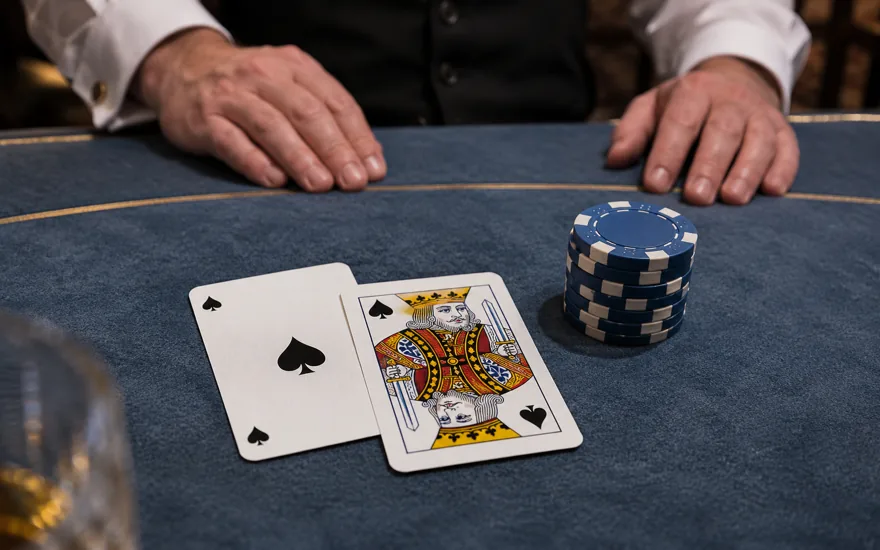


A five card trick in blackjack applies only if that version’s rules include it. Five cards without busting do not automatically win on every table. Even where the hand receives special treatment, check what happens against the dealer’s 21 or natural before assuming it has priority.
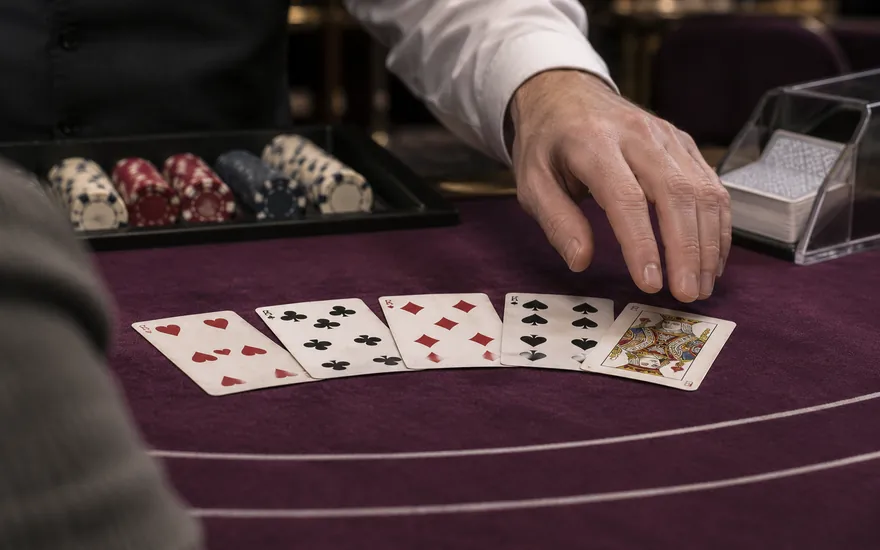
What counts as a five card trick in blackjack?
The phrase usually refers to reaching five cards without exceeding 21 and receiving special settlement. Some rules call this a five-card Charlie. The essential point is the written condition: a long hand does not acquire a bonus simply because the player has heard the phrase before.
Virgin Games’ explanation describes different priority arrangements, including exceptions involving a dealer blackjack. That variation matters more than the nickname. A rule saying that five cards receive special treatment still needs a second answer about which other outcomes can outrank that hand.
The number of cards and the points total are different measurements. A five-card hand can total less than 21, exactly 21 or more than 21. A condition requiring a non-bust hand is not met merely by drawing the fifth card; the total must still be calculated correctly.
An ace makes that calculation less obvious. In the hypothetical hand ace, 2, 3, 4 and 5, counting the ace as eleven would exceed 21, so its usable value becomes one and the total is 15. There are still five cards, but their total is not 25.
Two aces also do not necessarily make two elevens. Calculate the best legal total under the rules before applying a card-count condition. Keeping those operations separate helps explain a settlement without confusing the number of cards with the numerical value of the hand.
Ordinary settlement and Charlie settlement are different cases
Imagine a hand containing 2, 3, 4, 5 and 6. Its five cards total 20. Under ordinary comparison of non-bust totals, a dealer ending on 21 beats that 20. A special Charlie rule could change the result, but only if it is actually part of the game.
Now consider five cards totalling 22. If the special rule requires the hand not to bust, it has not qualified. Reaching the card-count threshold is only part of the condition: the cards must also make a permitted total before any special settlement can be considered.
A third case is a five-card 21. Its total matches 21, but it is not an original two-card natural blackjack. The natural-payout guide explains that distinction. Do not assume that every way to make 21 receives the same payout or priority.
| Hypothetical hand | Points | What still needs checking |
|---|---|---|
| 2, 3, 4, 5, 6 | 20 | Whether a Charlie rule exists |
| Five cards totalling 22 | Bust | A non-bust condition is not met |
| Five cards totalling 21 | 21; not a natural | Priority and payout under the variant |
Does a five-card Charlie beat a dealer blackjack?
There is no universal answer covering every variant. Read the priority language in the actual rules. It may distinguish a dealer natural from a dealer total of 21 made with more cards, and it may state exceptions or a particular order for settling competing special hands.
This is why a short answer saying that five cards always win is incomplete. The word always can hide both the requirement not to bust and an exception for the dealer. A correct points calculation alone cannot resolve a conflict between special settlement conditions.
Keep the original cards and the order of play in a record. A dealer ace with a ten-value card as the original hand can be a different case from a dealer drawing to 21. Those are descriptions of hands, not a prediction that either outcome will occur.

Five-card, six-card and Pontoon rules should not be merged
A five-card condition and a six-card condition have different thresholds. A game mentioning one does not thereby include the other. Evolution’s Power Blackjack description expressly says it has no Six Card Charlie rule; that statement should not be rewritten as evidence about every blackjack game.
Likewise, do not import a familiar home-game convention into an online product with a similar name. The title, provider and rule page identify the relevant game. A friend’s memory of a special hand is not evidence that the operator has implemented that convention in the version on screen.
Compare the written conditions, not just their names. Note the required card count, whether the hand must remain below the bust threshold, which outcomes take priority and any stated payout. If a source does not give one of those details, another variant’s rule cannot supply the missing answer.
Why chasing a fifth card can change the risk
Drawing another card changes the hand and can cause a bust. If there is no special five-card rule, the supposed bonus used to justify that decision does not exist. Even where a special rule is present, its existence does not mean every four-card total should be hit.
Take the hypothetical four-card hand 3, 4, 5 and 7, totalling 19. A two would produce a five-card 21, but many other values would make a different result, including a bust. Naming the attractive possible outcome does not establish that it is the correct decision under a complete model.
This article does not supply a strategy chart for an unidentified Charlie variant. A chart would need the entire rule set, including dealer behaviour and available actions. The RTP comparison explains why return claims and decision assumptions must stay together.
What to check in the information panel
Find the rules for the exact table before relying on a special-hand phrase. Search within those rules for Charlie, five cards or the relevant variant term. Then read surrounding conditions rather than stopping at the first mention, because the exception can determine the settlement.
Check whether the rule applies to a main hand after a split, whether it concerns original cards or later draws, and whether a stated reward includes the returned stake. These are questions to answer from the version’s rules, not assumptions this article makes about an untested account.
If the information is absent, do not treat a promotional image or a forum comment as the missing rule. Ask the operator which provision applies. A direct question about the exact hand and table is easier to resolve than a general assertion that blackjack has always worked a particular way.
| Rule field | Question |
|---|---|
| Threshold | Five, six or another number of cards? |
| Eligibility | Must the hand remain at or below 21? |
| Priority | What happens against a dealer natural? |
| Settlement | What is credited, including returned stake? |
If five cards settled differently from your expectation
Retain the game name, provider, round identifier, time and the cards shown. Preserve the applicable rules and the transaction entry for the round. Avoid posting account identifiers or unredacted screenshots publicly; a support team can request the relevant evidence through its own secure channel.
Describe the discrepancy precisely: for example, whether the issue concerns card count, total, dealer priority or the credited amount. These are different questions. A screenshot of an overall balance may omit the separate entries needed to establish what happened in a particular round.
Do not replay the game to recreate the event or increase the stake to recover the disputed amount. A new round cannot verify the earlier one. If the issue is actually a missing bank payment rather than a game settlement, use the cashier index to follow the correct record.
Count physical cards and calculate their value separately
Card count and hand total answer different questions. Imagine holding five threes: there are five cards and the total is fifteen, although every card has the same rank. A card-count condition does not require five different ranks unless the particular rule says so; count the cards separately from adding their values.
That example helps separate a card-count condition from an ordinary comparison of totals. Fifteen may be sufficient to meet a published non-bust card-count requirement, but it is not automatically a winning total on a table without that special provision. The actual settlement rule still has to be identified.
Use both fields in a reading record: card count and highest legal total. A label such as five cards is incomplete if the rule also requires the total not to exceed twenty-one. Conversely, a displayed total alone cannot establish how many cards produced it.
The distinction is useful even when no dispute exists. It lets the reader identify exactly which condition an information panel is describing, rather than treating the nickname as a promise that drawing a fifth card will create a winning outcome.
An ace can change its value without changing the card count
Consider the hypothetical five-card hand ten, ace, two, two and two. Counting the ace as eleven would exceed twenty-one, so its lower value produces a legal total of seventeen. The hand still contains five cards; changing the ace’s value does not remove a card from the count.
This is why a history showing a lower total than expected may simply be using the ace correctly. Add all the cards using legal ace values before deciding whether a non-bust condition is satisfied. A calculation which treats every ace as eleven can wrongly classify a valid total as bust.
More than one ace needs the same care. The useful question is whether any assignment consistent with blackjack valuation keeps the hand legal, not whether every ace can be counted at its larger value. Preserve the complete hand rather than writing only the original soft total.
The soft-eighteen explanation follows this valuation process through additional draws. Here the purpose is narrower: determine whether a specified card-count condition has been met before considering its priority and payout under the actual variant.
A fifth card can satisfy the count and fail the total condition
An illustrative hand of two, two, four, six and eight contains five cards but totals twenty-two. If the stated special rule requires a hand which has not busted, the count alone is insufficient. The required combination of conditions has not been met.
A screenshot highlighting the arrival of a fifth card can therefore be misleading if it omits the final total. The animation may acknowledge an event without declaring that every condition for a special settlement is satisfied. Read the completed hand record and the rule together.
Do not change the meaning of the written non-bust condition because the last card was small, because the hand had previously been legal or because the nickname sounds automatic. The relevant total is the total after the fifth card is included under the applicable valuation rules.
This example does not advise drawing to a fifth card. It illustrates how to interpret an existing sequence. The possibility of reaching the card-count threshold does not remove the possibility of busting or establish that pursuing the threshold is appropriate for any particular hand.
A natural and a long hand are different categories
An original two-card natural and a five-card total of twenty-one can share the same highest total while satisfying different definitions. The natural condition concerns the initial deal. The long-hand condition, where offered, concerns a later state with more cards.
Picture an initial ace and king alongside a separate five-card hand totalling twenty-one. The initial deal in the first case contains only the original cards; it cannot also qualify as a five-card hand. In the second case, reaching the same total does not turn the later hand into a natural.
Any special priority between those categories must come from the actual rules. Do not use the natural payout ratio as a reward for the five-card hand unless the relevant provision expressly makes that connection. The payout comparison keeps that ratio scoped to its qualifying outcome.
When describing a dispute, name the category rather than only the final number. A request about twenty-one may otherwise conceal the exact condition being questioned. The count, origin and total together make the record understandable without assigning an unstated bonus.
A nickname can refer to different written thresholds
Five-card trick, five-card Charlie and another card-count name should be checked against the product’s exact wording. A familiar phrase in a conversation is not a reliable substitute for the number of cards, non-bust requirement and settlement exceptions published for the game.
Grosvenor’s All Bets Blackjack RNG page provides an instructive contrast: its published rules describe a ten-card Charlie condition. That does not establish a five-card rule for the same product. Evolution’s Power Blackjack description separately excludes a six-card Charlie rule, illustrating another release-specific distinction.
These examples establish what the named products’ published rules say. They do not establish availability in a particular account, or mean that an editor played either game for real money. Use them to see why the thresholds differ, while checking the rules of any other version separately.
The useful habit is to record the literal threshold from the information panel. If the panel does not mention a special card-count provision, do not add one because a different game, a friend’s home rules or an old article used a similar name.
Check whether the provision applies after a split
A split creates hands with an origin different from an ordinary initial deal. Some versions attach special conditions to such hands. Whether a card-count provision applies to them needs an explicit answer from the particular rules, rather than an assumption based on their final appearance.
Suppose a hand is split. Label the original hand and each resulting hand separately, then count only the cards in the hand being assessed. Adding cards from across the table might produce the desired number on paper, but it would not meet a condition that applies to a single hand.
Keep the added stake associated with the split as a separate money entry. A rule about a special hand does not erase that additional exposure. When settlement is disputed, both the hand identity and the qualifying stake are necessary to explain which amount could receive the stated treatment.
If the information is silent about split eligibility, preserve that uncertainty. Ask the operator to identify the applicable provision before relying on the special rule. This guide does not turn missing wording into universal permission or recommend another split to investigate the question.
A main-hand rule is not automatically a side-bet award
A table might offer an additional wager involving card combinations or counts. Its conditions remain separate from the settlement of the main hand. A five-card pattern should not be assumed to trigger an optional payout merely because the main-game description mentions a special hand.
Likewise, an optional wager can have a qualifying pattern which does not change how the main hand is compared with the dealer. Keep the two stakes and the two rule passages separate. A shared set of cards can be used to evaluate different conditions without merging their outcomes.
To check a hypothetical round, write down the main stake, any optional stake, the final cards and the credit assigned to each wager. Then compare each credit with its own stake. Combining the credits first can hide the losing component or leave it unclear which settlement actually needs an explanation.
This article does not supply a side-bet paytable or infer its return. A large possible award does not tell the reader how likely the qualifying pattern is. The purpose is to prevent one familiar phrase from being used as an unsupported explanation for every wager on the screen.
Timing matters when two special conditions appear relevant
Some rulebooks settle particular conditions at defined stages. A provision concerning an original dealer natural can therefore require attention even if the player later displays several cards. The order and priority must be read from the actual version rather than invented after looking at the final totals.
When questioning a completed hand, record when it reached the card-count threshold and how the dealer’s hand was classified. Include the wording of any exception alongside that sequence. A short statement saying five cards win may leave out the very condition that decides what happens in this case.
A visual celebration before the complete round closes should not be treated as the final account result. The history and published procedure need to show what settled. This guide does not promise that every visible intermediate message creates an unconditional cash credit.
If the sequence is unavailable, identify it as the missing evidence. Guessing the dealer’s original cards from a later total can create a false natural or erase a real one. A clear gap in the record is preferable to a confident explanation built on an imagined event.
The special rule does not define a universal strategy chart
Adding a card-count provision changes a condition in the game, but a complete decision model still needs the rest of the rules and probabilities. The existence of a possible special settlement is not enough to establish that every four-card hand should take another card.
Suppose a four-card hand is already close to twenty-one. A small next card might meet the special condition, but another value might bust the hand. Considering only the attractive outcome leaves out the alternatives. Whether drawing or standing has the better modelled result still depends on the complete game rules.
This publication therefore does not attach an all-purpose hit instruction to the phrase five-card trick. A suitable chart would have to match the exact variant, permitted actions, dealer procedure and settlement priorities. A chart borrowed from a different blackjack product may not cover the condition at all.
Understanding the rule can end with a decision not to play. It does not make a larger stake affordable or create a method for recovering earlier losses. Use independent support when the search for a special hand has become pressure to continue spending.
Reconstruct one questioned hand rather than a whole session story
A precise hand record contains its identifier, original cards, each later card, any split origin, the final legal total, the dealer classification, the relevant rule and the amount recorded. That sequence gives another person a practical route through the disagreement.
Avoid relying solely on a screenshot of five card rectangles. Their values, origins and final status still matter. Equally, a session balance cannot identify which particular hand qualified or which rule was allegedly misapplied. Locate the individual event before interpreting the aggregate money change.
Use the genuine operator’s secure support process for private records. A public editorial query should not contain account passwords, payment credentials or unredacted identity documents. The contact guidance explains what this publication can review and why it cannot inspect a private ledger.
If the hand was correctly credited but a later withdrawal is unresolved, use the cashier routes. The card-count condition does not authorise a transfer or locate its destination. A new round cannot trace an earlier payment, and a new deposit does not clarify how the original hand settled.
Compare the written consequence as well as the qualifying name
Two variants can use similar special-hand language while differing in threshold, eligibility, priority or payout. A useful comparison records all four. Matching only the nickname can conceal a distinction which matters more than the familiar wording.
Where the payout is specified, establish whether the stated amount is profit or a total credit including returned stake. Where no payout is published, do not supply one from another game. A special win classification and a particular numerical reward are separate pieces of information.
An unresolved field should stay unresolved in a comparison table. Repetition across unverified reviews does not turn a missing rule into evidence. A product-specific source or the actual version’s information panel is the relevant place to establish the condition.
You have answered the question when you can identify the hand’s category and explain its settlement from the relevant rules. That does not mean long hands always win or that another draw improves every decision. A familiar nickname also cannot remove a dealer exception that the rulebook expressly keeps.
Questions that follow
Do five cards automatically win in blackjack?
Only if the applicable variant rules provide that special settlement and its conditions are met.
Does a five-card Charlie beat 21?
Check the rules for that version, including whether the 21 is a dealer natural or a total reached by drawing.
Is a five-card 21 a natural blackjack?
No. A natural is an original two-card ace and ten-value card, subject to the game’s own definitions.
Should I hit every four-card hand to get the trick?
No. The special rule may be absent, and another draw can bust the hand. A suitable decision model needs the complete rules.
Sources & review
Published-source references, with check dates where recorded. No personal deposits, withdrawals or gameplay tests are claimed. Images illustrate the subject; they are not evidence of a tested account.