
Slot feature notebook
Slot feature library: ten games, different rules
 Partner offers · Country: United KingdomUpdated 11 November 2026
Advertising. Bonus amounts, ratings and review counts are supplied by advertisers and have not been independently verified. Check eligibility and current terms with the operator. 18+. These international campaigns have no dedicated GB offer; GB availability has not been confirmed.


Choose a named game to see how its rounds work. The notes explain connected clusters, cleared rows, retained values and changing numbers of ways, with each feature kept beside the release that uses it. Filters help you find a provider or mechanic and work without scripts.
Filter games Provider · mechanic · volatility
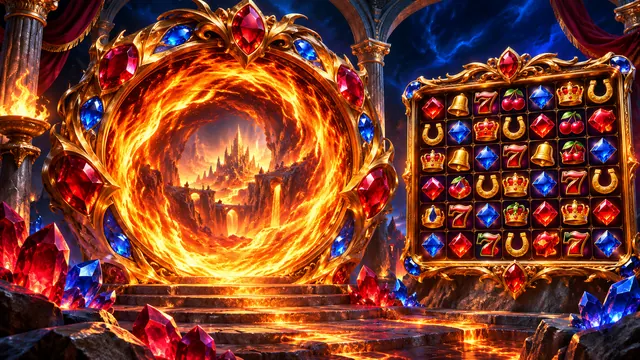
Fire Portals
Pragmatic Play · clusters · High
Fire Portals is a seven-by-seven cluster slot: connected wins create portal wilds, and those wilds can survive across free spins.

Hot to Burn Extreme
Pragmatic Play · fixed lines · RTP 96.65%
Hot to Burn Extreme is Pragmatic Play’s forty-line fruit slot.
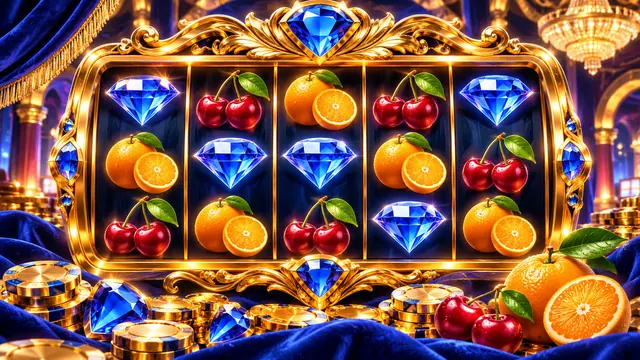
Bonanza Billion
BGaming · pays anywhere · RTP 95.97% · Low-high
Bonanza Billion is BGaming’s Pays Anywhere slot with refilling symbols.
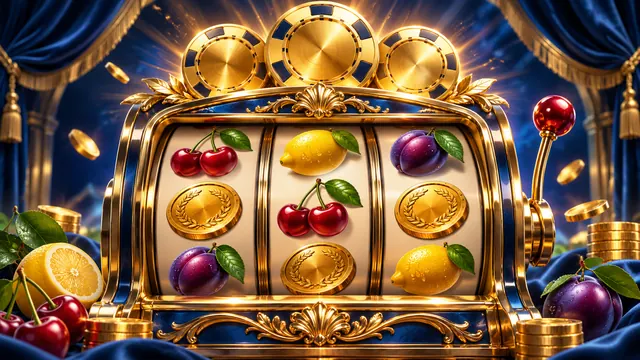
Wild Cash
BGaming · fixed lines · RTP 96.23% · Very high
Wild Cash is BGaming’s three-by-three, five-line slot with a separate multiplier bonus.
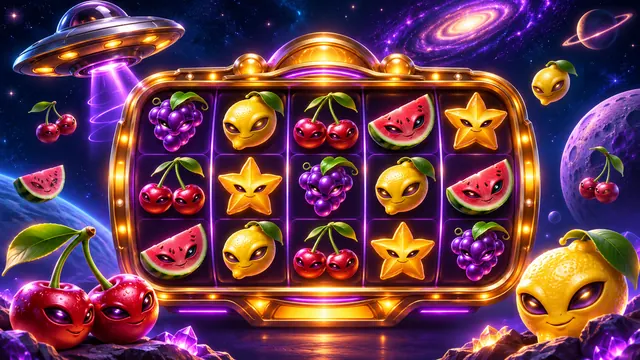
Alien Fruits
BGaming · pays anywhere · RTP 95.97% · High
BGaming’s Alien Fruits uses Pays Anywhere and refilling symbols, with a published 95.97% RTP.

Cloud Quest
Play’n GO · grid clearing
Cloud Quest is Play’n GO’s cascading grid slot: clearing a designated row unlocks a separate monster bonus.

Basket Bounty
Evoplay · hold and win · RTP 96.06% · High
Basket Bounty is Evoplay’s three-reel collector slot, with a published RTP of 96.06%.
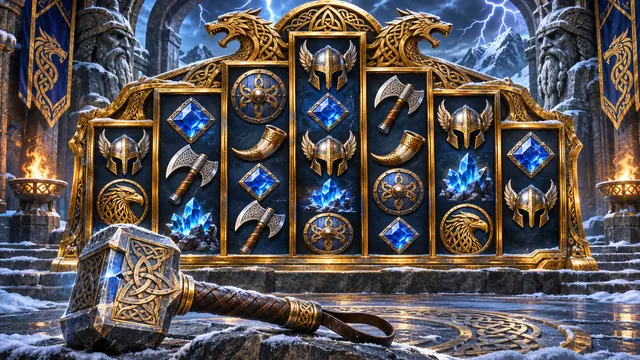
Power of Thor Megaways
Pragmatic Play · Megaways · High
Power of Thor Megaways combines variable winning ways, tumbling symbols and a hammer that turns symbols below it wild.

Dork Unit
Hacksaw Gaming · fixed lines · Medium (3/5)
Dork Unit has two distinct feature triggers: three gifts start Gift Bonanza, while three Long Lenny symbols start Dork Spins.
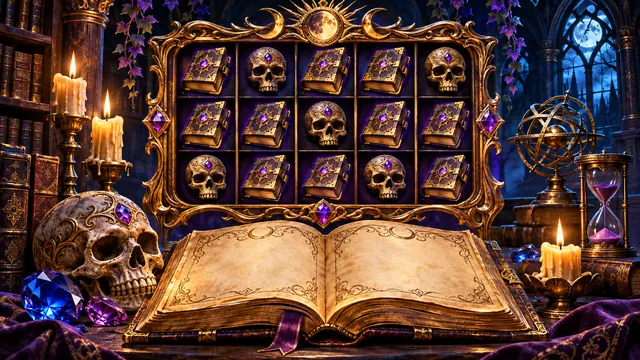
Book of Shadows
Nolimit City · expanding rows · Extreme (10)
Book of Shadows is Nolimit City’s configurable five-reel slot.

How does the game decide which symbols pay?
A line, a ways combination and a group counted anywhere on a field are different tests. Use the release name to open its note, then compare the arrangement that qualifies. The number of matching icons alone does not identify how a result is evaluated.
This library keeps each game on one page. Spelling variations and questions about its features stay with that release rather than creating a second article with the same purpose. Use the studio labels to separate similarly named games from different catalogues.
Compare published figures at the right scope
A provider may publish several return configurations or describe a maximum reached in simulation rather than a hard limit. Each game note identifies the source and what its figures cover. A value missing from a library card means it is not supplied here; it does not mean zero or establish an operator’s current setting.
The return-to-player note explains the distinction between a long-run model and a short session. The volatility explanation covers the spread of outcomes. Neither a name nor an illustrated jackpot is a promise about the next round.
Keep the game record and the cashier record separate
A feature award belongs to a completed game round before it appears in the account balance. A withdrawal follows a different set of records. For a balance discrepancy, retain the round identifier; for a payment discrepancy, use the cashier routes and follow the payment instruction.

Use the release name to choose the right note
This library groups ten named games so that a reader can follow one release’s rules without confusing it with a similarly titled product. Begin with the exact title on the game information panel. A shortened nickname, sequel name or familiar character can be insufficient to identify the relevant page.
Check the studio shown on the card as well as the title, especially when different catalogues use similar names or themes. The studio label helps identify the release. It does not endorse an operator or establish that a particular casino account offers the game; those are separate questions from understanding its rules.
If the title in front of you differs, keep that difference visible. Do not assign one page’s facts to an unlisted release merely because its cover looks similar. The general rules notebook explains how to begin with the version and the condition actually being questioned.
Filters narrow the collection rather than rank its quality
The provider, mechanic and volatility controls organise the cards by their displayed fields. Selecting a category does not calculate a score or certify that the resulting games are preferable. It simply makes the matching entries easier to find within this particular collection.
Use one question at a time. A provider filter can help identify a studio’s releases, while a mechanic filter can help compare different ways of evaluating symbols. A volatility filter concerns the published description where available. None of those choices changes the rules or the facts recorded on a game page.
The complete list remains available through All ten games. An absent result under a category does not mean that a title is unavailable worldwide or has a value of zero. It may mean that the relevant label is not published in the evidence used for this library.
Read an absent card value as missing information
Some cards include an attributable RTP or volatility label; others omit one. The omission is deliberate. A missing percentage should not be filled using another game from the same studio, and a missing classification should not be inferred from a dramatic maximum award or a colourful cover.
On the individual page, the facts table explains the values supported by the available source. A particular installed configuration can still need checking in its own information panel. The library does not claim that a general provider value establishes every operator’s current settings.
When comparing entries, distinguish a published figure from one that applies only to a stated version, and distinguish both from information that is missing. Those differences deserve to remain visible. A single star rating might be simpler to scan, but it could hide why the figures cannot be compared directly.
Fixed lines identify a different test from a connected cluster
In a fixed-line explanation, the qualifying line and the required symbol sequence need attention. In a connected-cluster explanation, the relationship between neighbouring matching symbols is the relevant condition. Counting the total number of matching pictures on the screen is not enough to treat the mechanisms as equivalent.
The Hot to Burn Extreme note and Fire Portals note provide a useful contrast in this library. Their themes can both contain bright casino symbols, but the written combination rules ask different questions of the displayed field.
Choose the mechanic filter when that distinction is the reason for reading. The purpose is to find a rule explanation, not to claim that one arrangement is more profitable. A qualifying pattern describes what is evaluated; its occurrence and value require the actual game specification.
Pays Anywhere still has a required condition
The phrase Pays Anywhere can sound as though any scattered collection of pictures receives a return. The individual release’s rules still define which symbols qualify and how many are required. The word anywhere does not erase a threshold or make every partially matching screen a completed win.
The Bonanza Billion page and Alien Fruits page explain the relevant release-specific fields and refill behaviour. Compare the qualifying symbol count and what happens after an evaluated group rather than assuming that identical genre wording creates identical features.
Each page explains one named release, including its individual features. Minor spelling variations do not need separate articles with the same purpose. If a question concerns a refill or a particular trigger, follow the page for the game whose rules define it rather than transferring the answer from another Pays Anywhere title.
Fire Portals separates a matching group from a retained portal
The Fire Portals article follows two things which can be confused in a busy screen: the symbols that make a qualifying connected group and the portal state created or retained through the stated feature rules. A portal image is not simply another interchangeable gemstone in that explanation.
Use the note’s example to follow a transition rather than judge a final screenshot in isolation. A symbol can disappear while another state remains relevant. The order matters because a picture of the ending field may omit the event which created the retained object.
The Fire Portals route also states the limits of its evidence. An illustration of a portal does not establish a paid result or a provider configuration beyond the cited information. The image helps identify the topic; the rule passage supplies the condition being explained.
Cloud Quest gives clearing a row its own role
Cloud Quest is included as a contrast to games where any qualifying group is simply removed and refilled. Its article focuses on the designated-row condition and the separate feature it unlocks. That is a more precise reading task than assuming every cascading field uses the same transition.
When comparing a screenshot, identify the relevant row and the event which counts as clearing it. Do not substitute the total number of matching symbols elsewhere on the screen. The individual page keeps that release-specific condition with its explanation of the next stage.
Use the Cloud Quest note when the question concerns that transition. A practice view can help locate the relevant interface where one is available, but a few observed outcomes cannot certify the game’s overall return or predict when another feature will occur.
Basket Bounty asks how a collector feature changes the state
A collector or hold-and-win description requires the reader to distinguish ordinary symbols from the values or objects involved in the feature. The card’s mechanic field is a route to that explanation, not a complete substitute for its trigger and collection rules.
The Basket Bounty article keeps the three-reel release, its published facts and its feature stages together. A basket image on another product does not establish the same mechanism. Theme and mathematical role should remain separate identification fields.
To follow the feature, ask what starts it, what stays in place and what ends that stage. Keep any missing source detail visible instead of filling it from another game. An image of collected tokens can identify the subject, but it cannot establish that an account received a settled cash credit.
Variable ways need the current reel arrangement
A changing reel-height system requires attention to the arrangement on the current result. The name Megaways is not itself the number of combinations on every spin. The individual game’s rules explain how the displayed reel state relates to the evaluation.
The Power of Thor Megaways page follows that question alongside its specific tumbling and hammer features. Those are separate conditions to read. The presence of a hammer on a cover cannot supply the sequence or effect of the rule attached to it.
Use the comparison with fixed lines to identify what actually changed. A different-looking field may still require a specific qualifying sequence. This library does not infer a personal winning chance from the largest possible number of ways or describe a changing arrangement as protection against losses.
Book of Shadows keeps row changes separate from its title
An expanding-row mechanism concerns a stated change to the evaluation field. The Book of Shadows note explains the configured release rather than treating an illustrated book as a universal description of every book-themed slot. Similar artwork can belong to products with different conditions.
Follow the field before the change, the event that causes it and the field afterwards. That sequence explains more than saying the game becomes larger. The written rule must still show how the changed arrangement is used to assess symbols; an expanded picture alone cannot supply that condition.
Open the Book of Shadows page for the published facts and the explanation of its limits. A configurable product needs its relevant settings identified. The library does not fill a missing setting from an older video or another game sharing the theme.
Dork Unit has more than one feature question
The Dork Unit card introduces distinct feature triggers rather than describing every bonus as one interchangeable event. Its article keeps the relevant gifts and character conditions with the features they start. That separation matters when a reader asks why a particular symbol did not trigger the feature they expected.
Compare the trigger, the stage entered and the state retained within that stage. A screenshot of a gift box alone does not establish that the required complete trigger occurred. Nor does a colourful character automatically have the same function in the base game and every later mode.
The Dork Unit note explains those particular conditions. It does not say when a feature will arrive or turn the possible maximum into a predicted result. Use it to identify the rule governing the event in question; producing more paid outcomes is not necessary to understand that explanation.
Wild Cash distinguishes the ordinary field from the multiplier feature
Wild Cash is retained as a separate named release with a compact ordinary field and its own multiplier-feature question. A reader should not apply the feature description to every ordinary symbol combination. The transition into the relevant stage is part of the condition.
The Wild Cash article separates the published layout and line facts from its bonus description. That makes it possible to ask whether the question concerns the ordinary evaluation, entry to the feature or what happens after entry, rather than using the word bonus for all three.
Its casino art follows the fruit and token theme without claiming to reproduce a provider screen. Use the written facts for the actual layout and scope. The illustration is a visual identifier, not a record showing that a feature was reached or money was returned in testing.
Compare volatility wording without converting it into a guarantee
The library reproduces a classification only where the cited evidence supplies one. A studio’s label or scale needs its source and context. A number on one studio’s scale should not automatically be converted into the same numerical position on another studio’s scale.
The volatility article explains the term. The source-checked Low comparison instead examines a small group with published labels and keeps its qualifications visible. This ten-game library is organised for finding rules, not from safest to riskiest, and does not promise how long a balance will last.
An omitted label is not a Low label. A high maximum is not a substitute for a classification. Keeping those distinctions visible allows a useful comparison even when the available facts do not support a complete ranking or an exact numerical measure of spread.
An RTP field needs the same version as the question
A provider can publish a value for a release while a particular installation identifies a configuration requiring its own check. Keep the scope attached to the figure. A number copied from a general page should not become a claim about every account which can open a similarly titled game.
The RTP guide explains why a long-run theoretical return is different from a short observed return, a deposit amount or a withdrawal. That distinction applies throughout the library. None of the card percentages is a personal session promise or a timetable for recovering a loss.
When two sources disagree, record their exact version and scope rather than choosing the larger percentage. An unresolved field can remain unresolved. A precise-looking average assembled from conflicting configurations is not a published fact about the release in front of the reader.
Practice views open only when the reader chooses them
Where a verified practice route is supplied, the game page first presents a preview and a clear choice to load it. This lets the reader decide whether to request the provider’s external resources. The initial article remains readable without loading the practice view.
Other game pages use an illustrated rule block and a link to the provider’s public information. They do not contain an empty frame pretending that a demonstration has been verified. A working explanation can still be useful when an embedded practice route is unavailable or unconfirmed.
A practice result should remain a limited observation. It can show controls or a transition, but it cannot certify an operator’s live configuration or predict paid results. There is no need to continue producing outcomes once the relevant information panel or mechanic has been understood.
Treat the cover as an identifier rather than a paytable
The themed images contain casino reels, symbols and objects associated with each release’s subject. They help the reader distinguish the cards visually. They are not screenshots documenting the exact provider interface, a successful account transaction or an independently observed maximum award.
That distinction is important when artwork uses an ornate cabinet or a simplified arrangement of symbols. The facts table and written rule explanation remain the sources for the actual layout and published mechanics. A decorative window should not be counted to replace a verified rule field.
The caption below an article image adds a reading point rather than claiming a tested outcome. If the question is what a specific accepted round displayed, its actual history and identifier are the relevant evidence. A thematic image from a guide cannot prove that private event.
Follow sources without submitting private account material here
Each game note identifies public sources for its factual fields. Following a source opens that organisation’s own service, with its own content and privacy arrangements. A source link does not create a relationship in which this publication can inspect the reader’s private game or payment account.
An editorial correction can identify a title, a public rule passage and the wording which needs review. It should not include passwords, authentication codes or unredacted identity documents. Those details are unnecessary for explaining why a published mechanic or value appears inconsistent with its source.
For an account-specific settlement question, use the genuine operator’s secure process and retain the relevant round reference. The contact guidance explains the boundary. This library cannot retrieve a private ledger, change a payout or release a transfer because a reader supplies sensitive documents.
Return to the cashier when the question leaves the game
A feature award, an account balance and an outgoing payment describe different stages. If the round history shows a completed credit but a withdrawal remains awaiting action, the next useful record is the withdrawal instruction. Re-reading the feature trigger does not identify whether a bank transfer exists.
The payment hub separates funding methods from receiving routes. Pending withdrawals and completed but missing transfers address different stopping points. Their evidence is a transaction reference and destination, rather than a cover image, volatility label or remembered game result.
Using the right route can end an unproductive search. A reader does not need to try another slot, add a deposit or produce a new winning animation to investigate an earlier payment. The existing game and cashier records each have a narrower question they can answer.
A reading route can finish without selecting another game
You can finish here without opening a practice view or choosing another game. Finding the right definition, recognising that a figure is missing or correcting an assumption about a trigger can answer the question. None of those tasks requires a deposit or a particular result from a round.
Similar-game links are provided to compare mechanisms, not to suggest that changing titles will recover previous losses. A different set of symbols, a lower classification or a larger possible maximum cannot guarantee that result. No card in the collection is presented as a dependable income source.
If the search has become pressure to continue, use independent support rather than another game page. The useful distinction is between understanding a rule and needing a particular outcome. This publication supports the first task without pretending it can promise the second.
Similar-game links compare a particular rule
The related links on a release page are chosen to make a contrast understandable: a fixed line beside a changing ways field, or an ordinary refill beside a retained feature state. They are not a statement that the games have equal return configurations or identical prize distributions.
Before following a related link, decide what you want to compare. A question about what stays after a symbol disappears is different from a question about how many symbols qualify. Keeping that distinction in mind helps the next article answer the original question instead of starting a search for a better outcome.
The same principle limits the conclusion. A useful contrast can explain that two releases evaluate their fields differently while leaving both personal outcomes uncertain. It does not need to declare a winner or attach an operator offer to complete the comparison.
Return to the original release when the contrast has answered the question. Its own rules remain the authority for that game. A clear explanation from a neighbouring article should not be pasted back as a new condition which the original provider never published.
Sources & review
Published-source references, with check dates where recorded. No personal deposits, withdrawals or gameplay tests are claimed. Images illustrate the subject; they are not evidence of a tested account.